Last updated: June 2026
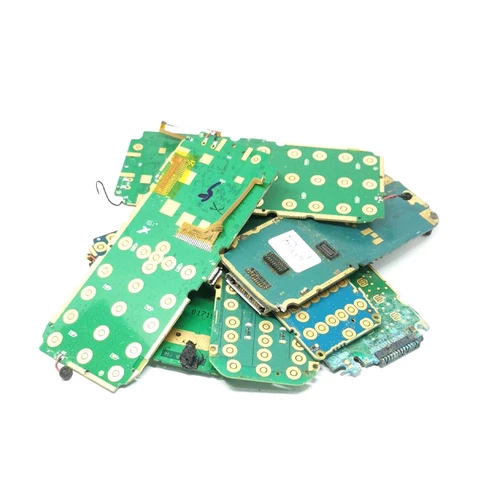
Mobile phone circuit board recycling helps recover valuable materials from unwanted, damaged, faulty, or end-of-life handsets. Inside every smartphone PCB are small quantities of metals, components, connectors, chips, and electronic materials that should be handled through responsible recycling rather than general waste.
At Repair Price, we help households, repair shops, businesses, schools, offices, and electronics handlers find practical recycling options for mobile phone boards and related device waste. Whether you have a few broken phones or a bulk batch of removed boards, our service can help you arrange a suitable recycling route.
Mobile phone circuit boards are compact but material-rich. They can contain copper, gold-plated contacts, silver, palladium, tin, aluminium, and other recoverable materials. Recycling these boards correctly supports resource recovery and helps reduce the environmental impact of discarded electronics.
Phone repair shops often build up waste boards from failed repairs, water-damaged devices, donor phones, and uneconomical handsets. Instead of storing these parts indefinitely, mobile phone PCB recycling gives your business a cleaner and more organised way to manage electronic waste.
We also support businesses clearing old company phones, IT departments handling obsolete handsets, and organisations that need a more responsible option for mixed mobile device waste.
Different mobile phones contain different board layouts, but most internal printed circuit boards can be assessed for recycling. This may include main logic boards, charging port boards, camera flex boards, button boards, antenna boards, and smaller internal electronic assemblies.
Not every faulty phone should be recycled immediately. In many cases, screen damage, battery problems, charging faults, and software issues can still be repaired. If your device may still be usable, compare options through our mobile phone repair comparison service before deciding whether recycling is the better choice.
For related devices, you can also compare tablet repair services for damaged iPads and Android tablets or check smartwatch repair options for wearable devices before sending items for recycling.
If the full handset is no longer worth repairing, device recycling may be the most suitable route. You can explore our phone recycling service for unwanted handsets, compare tablet recycling options for broken tablets, or visit our main electronics recycling hub for mixed devices.
Mobile phone boards are only one part of the wider PCB recycling category. If you also handle other electronic boards, Repair Price can help you review suitable routes for different grades and device types.
The recycling process usually starts by separating the phone board from batteries, screens, plastics, casings, and other parts. Boards are then sorted by type and quality before being processed through appropriate recycling channels.
To better understand the value and recycling process of mobile phone boards, read our guide on how mobile phone circuit boards are recycled. If you are unsure whether to fix or recycle a handset, our article on repairing versus recycling a mobile phone explains the key decision points.
You can also learn more about recoverable materials in our guide to the metals found inside mobile phone PCBs.
A phone circuit board may be suitable for recycling when the handset has severe water damage, board-level failure, missing parts, heavy physical damage, or repair costs that exceed the device value. Recycling is also useful for stripped donor phones and repair shop waste that cannot be reused safely.
Yes. Mobile phone circuit boards can be recycled because they contain recoverable metals and electronic materials. They should be handled separately from general waste and processed through suitable electronics recycling routes.
Yes. Even if a phone no longer works, its internal circuit board may still contain recyclable materials. The value depends on the board type, condition, quantity, and current recycling demand.
If the phone still has practical use and the repair cost is reasonable, repair may be the better first option. Recycling is usually best when the device is badly damaged, outdated, stripped, or uneconomical to fix.
Yes. Repair shops can arrange recycling support for batches of removed phone boards, failed donor devices, charging boards, logic boards, and mixed mobile electronic parts.
Batteries should usually be separated from circuit boards and handled through appropriate battery recycling routes. This helps improve safety and ensures different materials are processed correctly.
Customers use Repair Price to find practical recycling support for damaged mobile boards, repair waste, and end-of-life electronics.
Rashid, Manchester
“We had a box of failed phone boards from repairs and wanted a cleaner way to deal with them. Repair Price helped us find a suitable recycling route without wasting time calling around.”
Naomi, Leeds
“I had several old smartphones that were not worth repairing. The information made it easier to understand what could be recycled and how to arrange support.”
Callum, Birmingham
“Useful service for separating repairable phones from scrap boards. It helped us manage old stock and damaged handsets more responsibly.”
The trademarks, marques and logos of the manufacturers of products, software, hardware, etc. are the property of their respective owners.