Last updated: July 2026
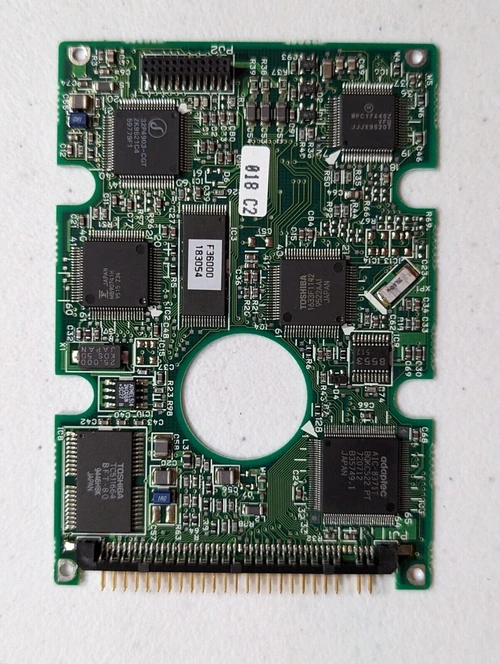
Looking for responsible hard drive circuit board recycling in the UK? Repair Price helps households, repair shops, IT departments, computer refurbishers and businesses recycle unwanted hard drive PCBs, storage device boards and mixed electronic components through safer recycling routes.
Hard drive circuit boards can contain recoverable metals and specialist electronic components, but they should not be placed into general waste. Whether you have failed HDD boards, damaged storage device PCBs, stripped computer parts or bulk hard drive scrap, recycling helps reduce landfill and supports responsible material recovery.
Hard drive circuit boards are commonly removed from desktop computers, laptops, servers, external storage drives, CCTV systems and business IT equipment. These boards may be small, but they can still form part of a valuable electronics recycling stream when handled correctly.
Repair Price can help you arrange recycling support for individual boards, larger batches of storage device PCBs or mixed circuit board loads that include other computer and mobile electronics.
Hard drive PCBs can include copper, gold-plated contacts, aluminium traces, soldered components and other recoverable materials. Recycling helps divert these items from landfill while supporting a more circular approach to electronics waste.
Proper handling is especially important for businesses replacing large numbers of computers, servers or storage devices. Keeping hard drive circuit boards separate from general waste can make sorting, collection and recycling more efficient.
Hard drive circuit board recycling should be considered alongside data security. Removing or recycling the PCB does not always guarantee that stored data has been destroyed, because data is usually held on the internal platters or memory chips rather than only the external board.
Before recycling hard drives or storage devices, businesses should consider secure data destruction, physical destruction, asset tracking and documented recycling where required. You can read more in our secure data destruction guide for unwanted storage devices.
If you are recycling hard drive boards, you may also have other circuit board types from computers, laptops, phones or servers. Repair Price supports a wider PCB recycling structure for different device categories and material grades.
Hard drive boards are often collected during IT upgrades, computer repairs, office clear-outs, server replacements and electronics refurbishment work. They may come from both working and non-working storage devices.
Not every storage-related fault means the whole device must be recycled. In some cases, the wider device may still be repairable. If your hard drive issue is part of a larger laptop, desktop or phone fault, comparing repair options first can help you decide whether repair or recycling makes more sense.
Hard drive PCB recycling often forms part of a wider device recycling job. If you are clearing several types of electronics, you may also need recycling support for laptops, consoles, mixed electrical waste and related accessories.
The recycling process depends on the type, volume and condition of the boards. Small quantities may be handled differently from larger business collections, but the basic process is designed to make recycling simpler and more organised.
Businesses upgrading computers or decommissioning servers may generate large quantities of hard drives and storage-related boards. These should be managed carefully, especially where the equipment may have contained customer records, staff files or business data.
For more guidance, see our computer storage device recycling guide, which explains how drives, boards and related IT equipment can be handled more responsibly.
The recycling value of hard drive circuit boards can vary depending on board type, material grade, cleanliness, volume and whether the boards are separated from other scrap. Larger sorted batches are usually easier to assess than mixed, contaminated or incomplete loads.
Before arranging a collection, it can help to understand how storage device boards, data-bearing equipment and computer scrap should be prepared. These guides support safer decision-making for individuals and businesses.
Yes. Hard drive circuit boards can be recycled through electronics recycling routes because they contain recoverable metals, connectors and components. They should not be thrown into normal household or business waste.
No. Removing the circuit board does not always destroy stored data. Data may still remain on the drive platters or memory components, so secure data destruction should be considered before recycling complete hard drives.
Yes. Complete hard drives, loose PCBs and mixed storage device scrap may all be suitable for recycling, but they may need to be separated and handled differently depending on the quantity and data security requirements.
Yes. Businesses, schools, repair shops, offices, refurbishers and IT departments can arrange hard drive PCB recycling when clearing old computers, servers or storage equipment.
You should consider whether the drives contain personal, customer or business data. Secure erasure, physical destruction or documented data destruction may be needed before recycling storage devices.
These example customer comments reflect the type of support users look for when arranging storage device and circuit board recycling through Repair Price.
Daniel, Manchester
“We had a box of old hard drive boards from computer upgrades and needed a clearer recycling route. Repair Price made it simple to request help and understand what could be collected.”
Priya, Leeds
“Our office was clearing old storage devices and wanted to avoid sending electronics to general waste. The process helped us separate the boards and arrange the next step properly.”
Martin, Birmingham
“I repair laptops and had mixed hard drive PCBs, laptop boards and computer scrap building up. Repair Price gave me a better way to organise recycling rather than storing it all.”
The trademarks, marques and logos of the manufacturers of products, software, hardware, etc. are the property of their respective owners.