Last updated: July 2026
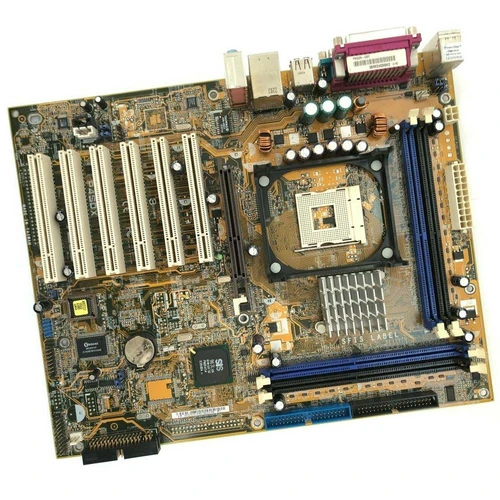
Looking for responsible PC circuit board recycling in the UK? Repair Price helps households, computer repair shops, IT departments and businesses find better routes for recycling unwanted desktop PC boards, computer motherboards, power supply boards, controller boards and mixed printed circuit boards from old computers.
PC circuit boards can contain valuable recoverable materials, but they should not be placed with general waste. Desktop computer boards often include copper, gold-plated contacts, tin, aluminium and other recyclable materials. Using a specialist route helps reduce electronic waste while supporting safer handling of unwanted computer components.
Desktop computers can produce several types of recyclable circuit boards. These may come from full tower PCs, office desktops, gaming computers, workstations, small form factor computers, point-of-sale machines and older business IT systems.
For broader board recycling options, visit our UK circuit board recycling hub. If you also handle portable computers, you may find our laptop PCB recycling service useful for smaller, high-density boards.
Old desktop computer boards are part of the wider electronic waste stream. When recycled correctly, the metals and materials inside them can be recovered instead of being lost to landfill. This is especially important for businesses replacing office computers, repair shops clearing spare parts, or recyclers separating boards from bulk IT equipment.
PCBs may also contain components that require careful handling, including capacitors, soldered chips, connectors and plated contacts. A responsible recycling route helps keep these materials within a controlled recovery process.
PC circuit boards are commonly produced during computer upgrades, office clearances, repair shop strip-downs and IT recycling projects. Some boards may come from fully working but obsolete computers, while others are removed from damaged or non-repairable machines.
If your computer is still repairable, compare options through our computer and laptop repair comparison page. For unwanted games consoles, see our console repair services before deciding whether repair or recycling is the better option.
The recycling value of PC circuit boards depends on the board type, component density, condition, quantity and whether the boards have already been separated from full computer units. Clean, sorted boards are usually easier to assess than mixed electronic waste.
You can also compare specialist categories such as hard drive circuit board recycling, expansion card recycling and Class 3 circuit board recycling.
The process usually starts with sorting the boards by device type and board quality. Businesses with larger quantities may separate desktop motherboards, hard drive boards, server boards, power boards and expansion cards into different groups before arranging a collection or quote.
If you also have full computers, laptops or mixed devices, our laptop recycling service and main electronics recycling hub can help you choose the right route.
Many PC circuit board recycling loads include boards from business IT systems as well as standard desktop computers. These may include server boards, storage controller boards, rear wall boards, interface cards and high-density electronic assemblies from data equipment.
For more specialist server-related material, visit our server rear wall recycling page. If your load includes games console boards as well as computer boards, our console recycling service may also be relevant.
Learning how computer boards are sorted and recycled can help you prepare material more effectively before requesting a quote. Repair Price also provides guides for computer motherboard recycling, desktop recycling and precious metal recovery from PCBs.
Not every computer board should be recycled immediately. If the PC is still usable or the fault is limited to one replaceable part, repair may be more cost-effective and more sustainable than stripping the machine for materials.
Repair may be worth considering when the computer still has good performance, the repair cost is reasonable, or the machine contains valuable data and software that would be difficult to replace. If the device is beyond economical repair, recycling the boards and components becomes the better option.
For related device support, you can also compare mobile phone repair services if your recycling project includes smartphones or mixed electronics.
Yes. PC motherboards can be recycled through specialist electronic waste and circuit board recycling routes. They contain recoverable metals and should not be disposed of with general rubbish.
Many PC circuit boards have recycling value, especially motherboards, graphics cards, controller cards and hard drive boards. The final value depends on the board type, grade, weight and condition.
Yes. Mixed PC circuit boards can usually be recycled, but separating motherboard boards, expansion cards, hard drive boards and lower-grade boards can make assessment easier.
Repair Price can help users find recycling routes for full devices and separated components. For full electronics recycling options, use the main recycling hub as well as device-specific recycling pages.
Yes, hard drives should be handled carefully because they may contain personal or business data. Remove or securely wipe storage devices before recycling or passing equipment to a third party.
These comments reflect how customers use Repair Price to compare responsible recycling options for computer boards, mixed electronics and unwanted IT equipment.
Martin, Sheffield
“We had several boxes of desktop PC boards from old office machines. Repair Price helped us find a clearer route for separating the boards and arranging recycling.”
Nadia, Manchester
“Our repair shop had a mix of motherboards, hard drive boards and expansion cards. The guidance made it easier to understand which materials should be grouped together.”
Chris, Leeds
“I was clearing out old gaming PCs and wanted the boards recycled properly. The site helped me compare repair and recycling options before sending anything away.”
The trademarks, marques and logos of the manufacturers of products, software, hardware, etc. are the property of their respective owners.