Last updated: July 2026
Telecom circuit board recycling helps recover value from unwanted network, communication and data equipment while keeping electronic waste out of landfill. Repair Price supports UK customers, businesses, contractors and IT teams looking for responsible recycling routes for telecom PCBs, router boards, switch boards, exchange equipment, modem boards, fibre hardware boards and other communication-related printed circuit boards.
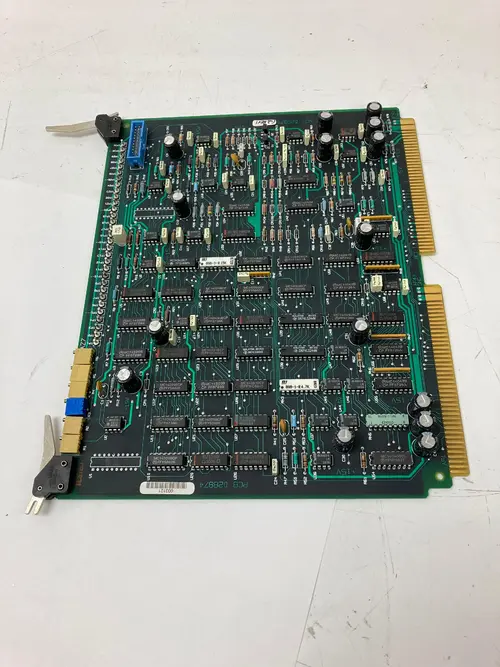
Telecom boards can contain a mixture of copper, gold-plated contacts, aluminium, processors, IC chips, connectors, transformers and other recyclable materials. The final recycling value depends on the board grade, condition, quantity, contamination level and whether the boards are separated from plastics, batteries, cables or metal housings.
Telecommunications equipment uses printed circuit boards across many devices, from small office routers to large business network systems. When equipment becomes faulty, outdated or uneconomical to repair, the boards can often be separated and processed through specialist electronic recycling channels.
Telecom hardware is often replaced during upgrades, office moves, broadband changes, data centre refreshes and network infrastructure projects. Without proper recycling, valuable components can be wasted and hazardous materials may be handled incorrectly. Recycling gives these boards a controlled route for sorting, material recovery and responsible disposal.
For businesses, telecom PCB recycling can also help with asset clearance, environmental reporting and reducing the volume of mixed electronic waste. If you have a larger batch of boards, related network hardware or mixed electrical equipment, Repair Price can help point you towards suitable collection and recycling options.
The value of telecom circuit boards can vary because not all communication equipment uses the same board quality. Older telecom exchange cards and higher-grade network boards may contain more recoverable metals than low-grade consumer router boards. Clean, separated and sorted boards usually achieve better handling than mixed loads.
For broader board recycling support, visit our UK circuit board recycling hub. This parent page explains how different PCB categories are handled and how customers can compare recycling options for mixed electronic boards.
The recycling process normally starts with sorting. Telecom boards are checked by grade, size, component density and contamination level. Any batteries, excessive plastic, steel, loose cables or non-board materials may need to be separated before specialist processing.
You can learn more about the process in our guide to how telecom circuit boards are recycled, which explains board separation, grading and recovery in more detail.
Telecom boards are often recycled alongside other electronic boards from phones, computers, servers and industrial hardware. If you are clearing multiple types of electronic equipment, these related PCB recycling pages may help you choose the right category for your materials.
Some telecom equipment may still be repairable or reusable before it is stripped for recycling. If your unwanted boards came from phones, laptops or tablets, it may be worth comparing repair options first. Repair Price helps customers explore repair services before deciding whether a device should be recycled.
If you have complete devices rather than loose telecom PCBs, device recycling may be a better starting point. This is useful for mixed loads that include phones, accessories, cables, routers, chargers and other unwanted electronics.
Businesses often generate telecom waste during system upgrades, broadband provider changes, office closures, data cabinet removals and IT refresh projects. Instead of leaving redundant network equipment in storage, telecom PCB recycling can help clear space while recovering value from reusable materials.
Common business recycling loads may include routers, network switches, PBX systems, fibre equipment, patch panels, rack-mounted hardware, circuit boards, cables and power units. Larger collections may need sorting before a final recycling route is confirmed.
For additional guidance, read our supporting article on telecommunications equipment recycling. You can also review our guide to network hardware recycling if you are clearing routers, switches and office connectivity equipment.
Yes. Telecom circuit boards from routers, switches, modems, network equipment and exchange hardware can usually be recycled through specialist electronic waste channels. The boards are sorted and processed so recoverable metals and materials can be extracted responsibly.
Many telecom PCBs can have recycling value, especially boards with gold-plated connectors, processors, IC chips and dense components. The exact value depends on grade, weight, condition, quantity and how cleanly the boards have been separated.
Separated boards are often easier to grade, but complete equipment may still be accepted depending on the recycling route. Mixed items may need additional sorting, especially if they contain plastics, batteries, steel casings, plugs or cables.
Yes. Businesses with larger volumes of telecom boards, network equipment or redundant IT hardware can request recycling collection options. The best route depends on the amount of material, location, board type and whether equipment is loose or still assembled.
Common items include broadband routers, business switches, modems, fibre network units, PBX systems, telecom exchange cards, rack-mounted network hardware and communication control boards.
Customers use Repair Price to compare recycling options for redundant telecom boards, mixed network equipment and electrical waste from upgrades or clearances. These comments reflect typical reasons businesses and individuals look for responsible PCB recycling support.
Daniel, Manchester
“We had a batch of old router and switch boards after a network upgrade. Repair Price helped us understand the recycling route and request a collection without wasting time calling around.”
Sadia, Leeds
“Our office had mixed telecom equipment, cables and boards sitting in storage. The process made it easier to separate what could be recycled and move the equipment on responsibly.”
Mark, Birmingham
“Useful service for finding options for telecom PCB recycling. We needed guidance on old communication boards and network hardware before arranging disposal.”
The trademarks, marques and logos of the manufacturers of products, software, hardware, etc. are the property of their respective owners.