Last updated: July 2026
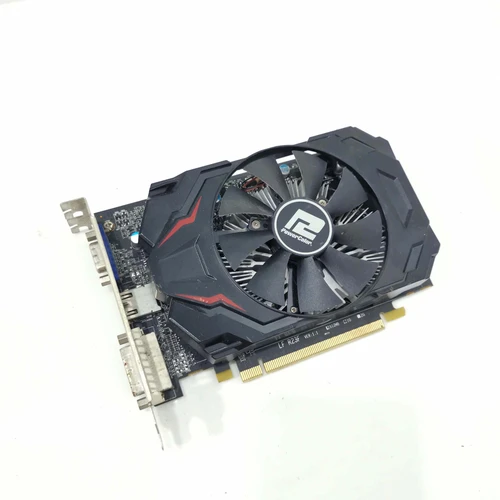
Expansion card recycling helps recover value from unwanted computer add-ons such as graphics cards, sound cards, network cards, RAID cards, controller boards and other plug-in PCB assemblies. These boards can contain reusable metals, connectors, chips, gold-plated contacts and other recoverable materials, making responsible recycling a better option than sending them to general waste.
Repair Price supports households, IT departments, repair shops, recyclers and businesses looking for a simple way to handle redundant expansion cards and mixed circuit board loads. Whether you have a small batch of old PC cards or larger quantities from upgrades, decommissioned systems or repair stock, our service helps you route materials through suitable UK recycling channels.
Expansion cards are removable circuit boards fitted into desktop computers, servers, workstations and specialist electronic systems. They are commonly used to add graphics output, networking, storage control, audio, video capture, USB ports, WiFi, diagnostics or industrial control functions.
Because these cards are built with printed circuit boards, edge connectors, chips, capacitors, ports and sometimes heatsinks or brackets, they should be separated and processed through electronics recycling rather than disposed of with ordinary scrap.
Many expansion cards contain materials that can be recovered through specialist processing. Gold-plated edge fingers, copper tracks, solder, chips, ports and metal brackets all have potential recycling value when sorted correctly.
Recycling also helps reduce unnecessary electronic waste. Instead of leaving old cards in storage or sending them to landfill, businesses and individuals can recover value from redundant components while supporting more responsible IT asset disposal.
Repair Price can help with a wide range of expansion card recycling enquiries, from individual cards removed during repairs to bulk lots from system upgrades and business clear-outs.
Expansion cards are often removed from old PCs, workstations and servers during upgrades or disposal. If you are clearing complete desktop systems, you may also want to compare our PC circuit board recycling service for motherboards, internal cards and mixed computer PCB materials.
Businesses handling server hardware may also have rear boards, risers and backplane assemblies. For these parts, see our server rear wall and backplane recycling page for more targeted support.
If your cards have been removed from portable systems, our laptop circuit board recycling service can help with laptop mainboards, daughterboards and smaller internal PCB assemblies.
Some expansion cards are more valuable than others depending on their age, chip density, connector quality and metal content. Cards with gold fingers, larger processors, memory chips or specialist components may fall into higher-value PCB categories.
For premium-grade boards and component-rich material, you can also review our Class 3 circuit board recycling information. If you are separating storage components, our hard drive circuit board recycling page may also be useful for drive PCBs and controller boards.
The process is designed to be straightforward. You tell us what type of expansion cards or PCB materials you have, provide an estimated quantity, and we help you find a suitable recycling route based on the material type and location.
For broader PCB loads, you can also visit our main circuit board recycling hub to compare related printed circuit board recycling services across different device categories.
Not every electronic device needs to be recycled immediately. If the expansion card was removed from a faulty laptop, console or TV, it may be worth checking whether the main device can still be repaired before disposal.
Repair Price also helps customers compare repair options for common electronics. You can explore laptop repair services, game console repair options and TV repair specialists before deciding whether recycling is the best route.
If your expansion cards are part of a larger IT clear-out, you may have complete devices, cables, drives, screens and other electronic waste to manage. In that case, our general electronics recycling service can help you handle wider e-waste categories.
For notebooks, MacBooks, business laptops and portable computers, our laptop recycling page provides more specific guidance on recycling complete laptop units and internal components.
Before sending cards for recycling, it can help to understand what affects value, how graphics cards are processed and why some expansion cards are worth separating from lower-grade electronic scrap.
Expansion card recycling is useful for many different customers. Repair shops may collect faulty boards from failed diagnostics, IT teams may remove old cards during upgrades, and businesses may generate mixed PCB waste during office clearances or server replacements.
Yes. Graphics cards, PCIe cards, sound cards, network cards and controller cards can usually be recycled because they contain printed circuit boards, copper, connectors, chips and other recoverable materials.
Many expansion cards can have recycling value, especially cards with gold-plated connectors, dense chips, memory components or large processors. The value depends on board type, condition, grade and quantity.
You do not always need to remove brackets or heatsinks, but separating clean boards from mixed metal and plastic can sometimes make sorting easier. For larger batches, ask for guidance before preparing the material.
Yes. Bulk expansion card recycling is suitable for IT upgrades, server room clear-outs, office refurbishments and repair businesses with accumulated PCB stock.
Alongside expansion cards, many computer boards can be recycled, including PC motherboards, laptop boards, server boards, hard drive PCBs, riser cards, backplanes and controller boards.
These reviews reflect how customers use Repair Price to arrange practical recycling routes for old expansion cards, computer boards and mixed electronic components.
Daniel, Manchester
“We had a box of old graphics cards and network cards from PC upgrades. Repair Price helped us understand the best recycling route and the process was simple.”
Nadia, Leeds
“Our repair shop had built up a lot of faulty expansion cards. The guidance was clear and helped us separate them from lower-grade electronic waste.”
Martin, Birmingham
“We were clearing old office computers and wanted the boards handled properly. The service made it easier to deal with expansion cards and other PCB parts together.”
The trademarks, marques and logos of the manufacturers of products, software, hardware, etc. are the property of their respective owners.