Please select your brand of mobile device and scroll below to find model to repairs.
 Acer Laptop Repair
 Apple Smartwatch Repair
 Asus Laptop Repair
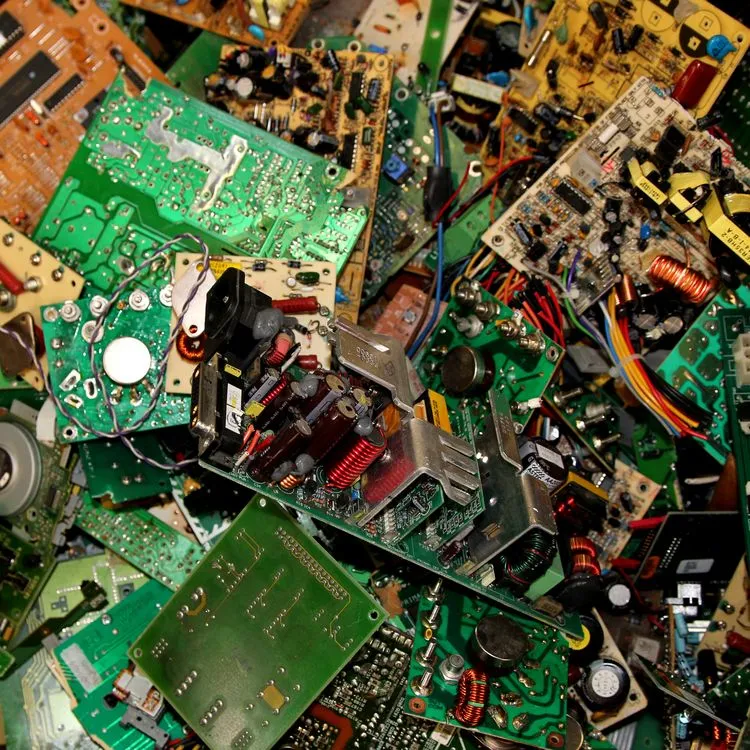 Class 3 Circuit Board Recycling
 Console Recycling
 Dell Laptop Repair
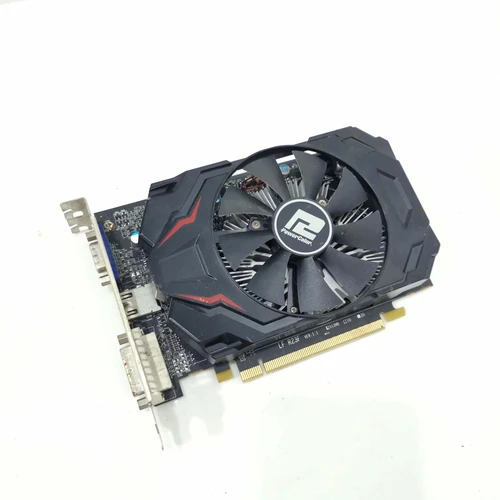 Expansion Card Recycling
 Google Phone Repair
 Google Smartwatch Repair
 Google Tablet Repair
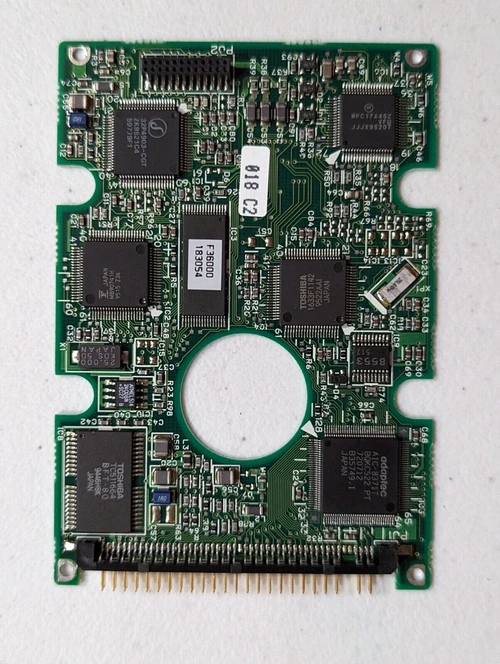 Hard Drive Circuit Board Recycling
 Honor Laptop Repair
 HP Laptop Repair
 Huawei Laptop Repair
 Huawei Phone Repair
 Huawei TV Repair
 iPad Recycling
 iPad Repair
 iPhone Repair
 JVC TV Repair
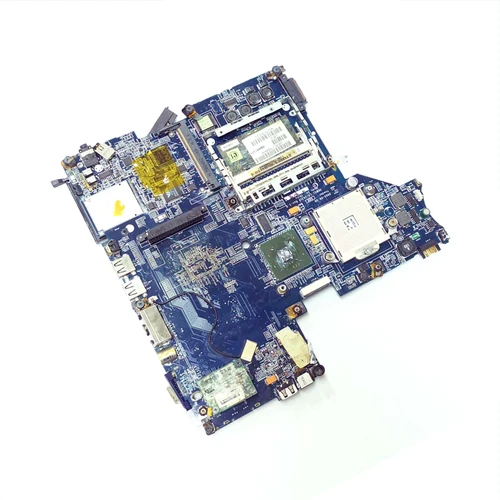 Laptop Circuit Board Recycling
 Laptop Recycling
 Lenovo Laptop Repair
 LG Laptop Repair
 LG TV Repair
 Loewe TV Repair
 Macbook Repairs
 Microsoft Console Repair
 Microsoft Laptop Repair
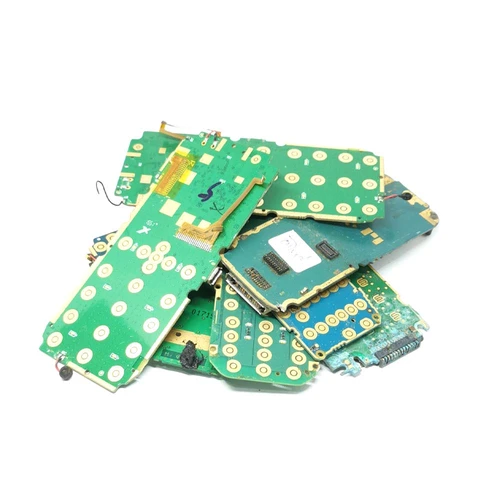 Mobile Phone Circuit Board Recycling
 Nintendo Console Repair
 OnePlus Phone Repair
 OnePlus Smartwatch Repair
 Oppo Phone Repair
 Oppo Smartwatch Repair
 Other Console Repair
 Other Laptop Repairs
 Other Phone Repair
 Other Smartwatch Repair
 Other Tablet Repairs
 Other TV Repair
 Panasonic TV Repair
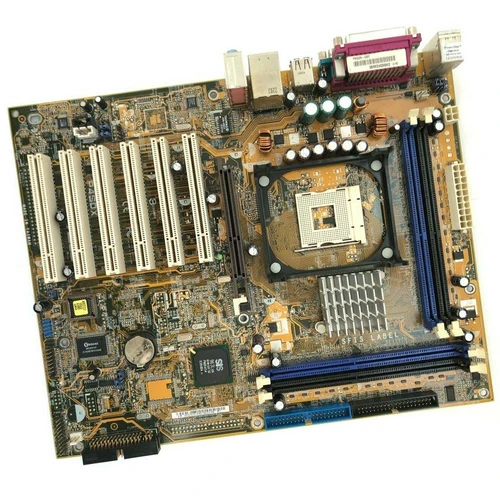 PC Circuit Board Recycling
 Philips TV Repair
 Phone Recycling
 Realme Phone Repair
 Realme Smartwatch Repair
 Realme Tablet Repair
 Samsung Laptop Repair
 Samsung Phone Repair
 Samsung Smartwatch Repair
 Samsung Tablet Repair
 Samsung TV Repair
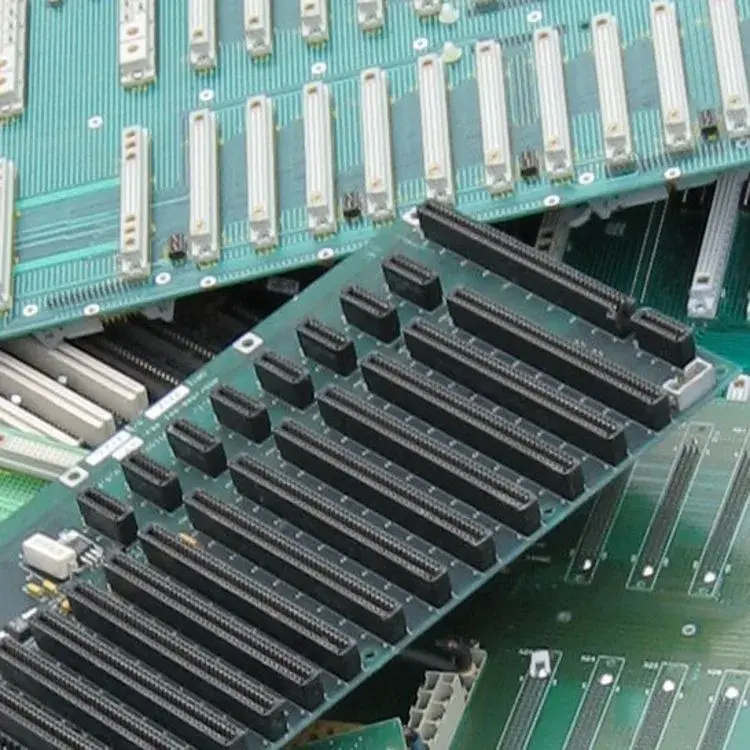 Server rear Walls Recycling
 Sharp TV Repair
 Sony Console Repair
 Sony Laptop Repair
 Sony Smartwatch Repair
 Sony TV Repair
 Tablet Recycling
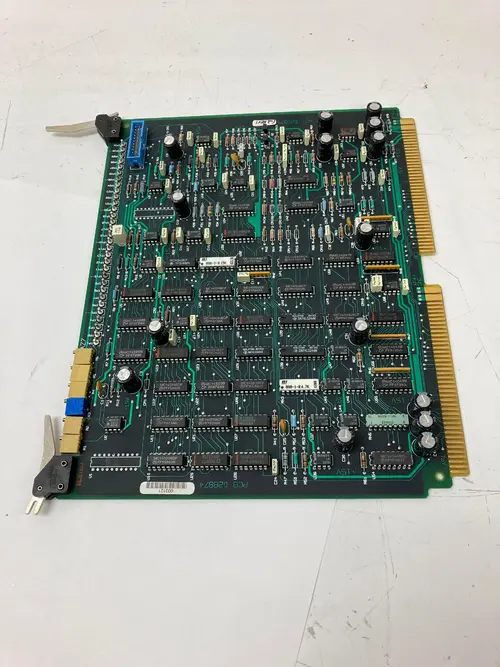 Telecom Circuit Board Recycling
 Toshiba TV Repair
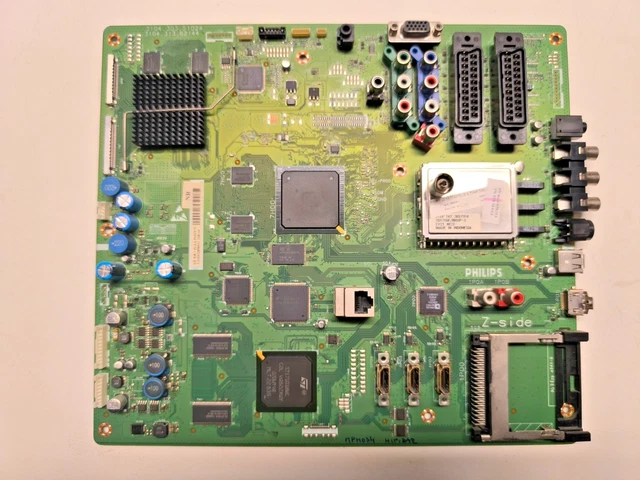 TV Circuit Board Recycling
 Xiaomi Phone Repair
 Xiaomi Smartwatch Repair
 Xiaomi Tablet Repair
Last updated: March 2026
Looking for a reliable expansion card recycling service in the UK without wasting time contacting multiple buyers? This page helps you compare typical price bands, common expansion card types, collection options, and the key factors that affect scrap value before you arrange a sale or pickup.
Whether you are clearing graphics cards, network cards, controller cards, PCI cards, PCIe cards, riser cards, RAID cards, or mixed add-in boards from a repair workshop, IT department, recycling yard, office clearance, server room strip-out, or electronics business, Repair Price helps you understand how your stock may be graded and how to connect with local or nationwide UK recycling routes.
The guide below shows common value ranges for scrap expansion card recycling in the UK. Final prices depend on card type, metal content, attached brackets or coolers, contamination, quantity, and how well the load is sorted before inspection.
| Expansion Card Category | Typical UK Price Range | Typical Quantity | Notes |
|---|---|---|---|
| Mixed low grade expansion cards | £0.80 – £1.80 per kg | Small boxes to trade sacks | Common for unsorted add-in cards with mixed grades and lower recovery potential |
| Standard network, sound and controller cards | £1.50 – £3.20 per kg | Trade bags to repeat workshop loads | A common category from desktop tear-downs, office IT clearances and repair stock |
| Graphics cards without bulky coolers | £2.00 – £5.50 per kg | Sorted boxes or bulk trade loads | Cleaner cards with less steel and plastic usually present better for grading |
| Gold finger interface cards and stronger grade slot cards | £3.50 – £7.00+ per kg | Sorted specialist batches | Usually stronger when separated from mixed low-grade boards |
| Industrial, telecom and specialist interface boards | Quote required | Sorted trays, boxes or pallets | Often reviewed individually due to spec, density and component mix |
| Unsure what cards you have | Send photos for guidance | Any size | A basic sort by card type can improve the quality of your quote |
Tip: Loads sorted into cleaner card categories often achieve better quote quality than unsorted mixed electronic scrap.
Start locally if you are searching for expansion card recycling near me. Nearby routes can vary depending on load size, the mix of graphics and controller cards, whether your stock is boxed or palletised, and whether you need drop-off or collection support.
If you want stronger local search routes, these pages help connect visitors from major towns and cities with related repair and electronics support pages across the UK.
Not seeing your exact area? Use the site search and postcode routes to find local support for expansion card recycling, graphics card scrap, computer board disposal, and mixed electronic scrap collection.
If your load includes more than just slot cards, these related pages help users move into more specific board categories and improve the relevance of their enquiry.
Desktop motherboards and related internal boards often appear in the same clearances as expansion cards. Use this PC circuit board recycling guide for desktop motherboard pricing routes when your load includes a wider mix of internal computer boards.
Repair shops and refurbishers often clear laptop motherboards, daughterboards and DC boards alongside loose slot cards. Visit the laptop circuit board recycling page for compact board guidance if your batch includes broken notebook parts.
Network equipment strip-outs and rack clearances can contain both add-in cards and comms boards. Browse telecom circuit board recycling options for stronger networking and communications categories.
If your business also dismantles phones, insurance returns or handset waste, compare with mobile phone circuit board recycling for smaller high-density PCB loads.
Mixed electronics sellers can also review TV circuit board recycling for display-related scrap and hard drive circuit board recycling for storage-related boards.
Where your stock is more technical than general PC scrap, compare Class 3 circuit board recycling for specialist higher-spec boards and server rear walls recycling for stripped server components and back panels.
Not every expansion card is valued the same way. Two boxes that look similar can achieve very different results depending on how the cards are built and how the load is prepared.
A standard sound card or low-grade I/O card will usually not be valued the same way as a denser graphics board, RAID card or industrial interface card. Chip count, edge fingers, connector quality and board weight can all matter.
Cards still attached to bulky steel brackets, heavy heatsinks or cooling fans may grade differently from stripped, cleaner boards. Basic preparation can improve how the batch is presented.
A small box of mixed slot cards is often harder to quote than repeat workshop volumes or palletised batches of one consistent card type. Larger and cleaner loads tend to be easier to assess.
Keeping graphics cards, network cards, controller cards and stronger gold finger boards separate from mixed scrap helps a recycler review the load more accurately.
Smaller quantities may suit local drop-off, while office clearances, school disposals, warehouses and larger business loads are often better matched to collection support depending on the route and distance involved.
This page is designed for small and large volume sellers across the UK. Common enquiries come from computer repair shops, electronics engineers, IT asset disposal teams, refurbishers, office clearances, schools, councils, warehouse clearances, recyclers, contractors, and businesses replacing old hardware in bulk.
Say whether your load includes graphics cards, NICs, controller cards, riser cards, legacy PCI cards, or mixed add-in boards.
A rough box count, sack count or pallet quantity helps move the enquiry forward faster and improves route planning.
Top-down pictures of the cards, boxes or pallets help identify whether the batch looks mixed low-grade, standard PC grade, graphics-heavy or more specialist.
This helps connect your enquiry to local or nationwide collection options and nearby search routes.
Smaller quantities may suit a local route, while larger loads are often better handled through booked collection support.
If you also have motherboards, telecom boards, mobile boards or other PCB categories, mention them early so the full load can be routed properly.
Some visitors land on this page while deciding whether to repair older equipment, strip it for parts, or recycle it. These internal links help keep users moving through related service pages.
Repair Price supports UK repair and recycling enquiries through a network focused on electronics, board-level categories and local service routes. Expansion card enquiries are typically reviewed by technicians and electronics specialists familiar with desktop hardware, IT clearances, donor stock, and sorted PCB loads.
Experience: Our network supports repair and recycling enquiries backed by more than 10 years of industry experience.
Warranty policy: Participating repair services may include warranty cover of up to 12 months depending on the device type, fitted parts, and repair category.
Data privacy stance: We take privacy seriously. Customers should highlight any data-bearing equipment in mixed IT loads so devices can be handled appropriately before repair, resale, recycling, or disposal.
If you are clearing more than just slot cards, these related price pages can help you compare other electronic scrap categories before arranging a larger collection.
Combining related board categories in one enquiry can save time for workshops, office clearances, recyclers and trade sellers handling mixed electronics stock.
Expansion cards can include graphics cards, network cards, sound cards, RAID cards, controller cards, riser cards, capture cards, and other PCI or PCIe add-in boards removed from desktops, servers or specialist systems.
Yes, collection is often the best route for larger quantities, repeat trade sellers, workshops, office clearances and pallet loads. Smaller batches may be better suited to a local route depending on location.
It can help. Removing obvious non-board material can make the load cleaner and easier to assess. Even a basic sort or strip-down may improve how the cards are presented.
Strong boxes, anti-static trays, sturdy sacks or palletised loads are common depending on volume. Keep categories separate where possible and avoid mixing in general waste.
Yes, but mention all categories in advance. Mixed loads can include motherboards, telecom boards, expansion cards, hard drive PCBs, and server components that may need separate grading.
The quickest route is to separate obvious card types and send clear photos. A recycler can usually tell whether the load looks mixed low grade, standard PC grade, graphics-heavy or more specialist.
The trademarks, marques and logos of the manufacturers of products, software, hardware, etc. are the property of their respective owners.