Please select your brand of mobile device and scroll below to find model to repairs.
 Acer Laptop Repair
 Apple Smartwatch Repair
 Asus Laptop Repair
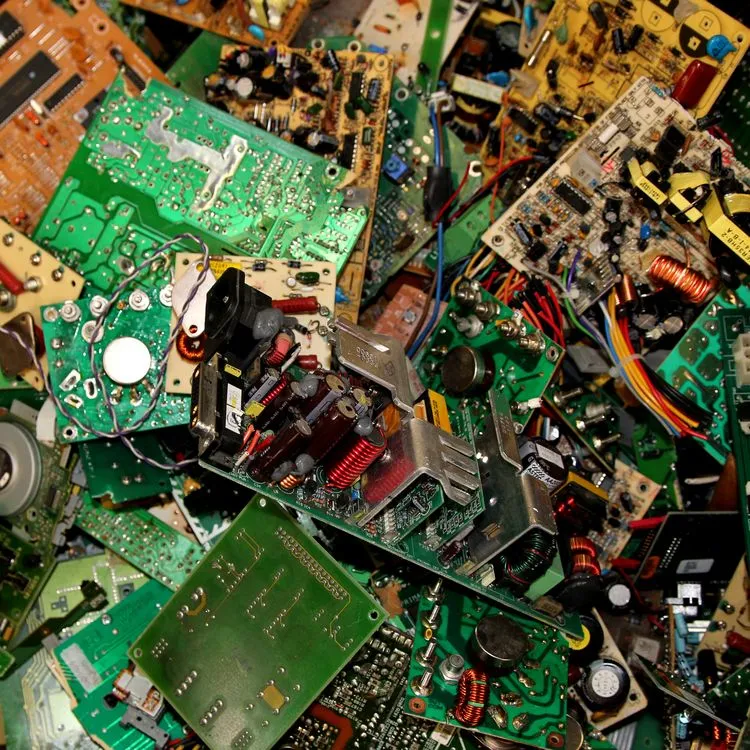 Class 3 Circuit Board Recycling
 Console Recycling
 Dell Laptop Repair
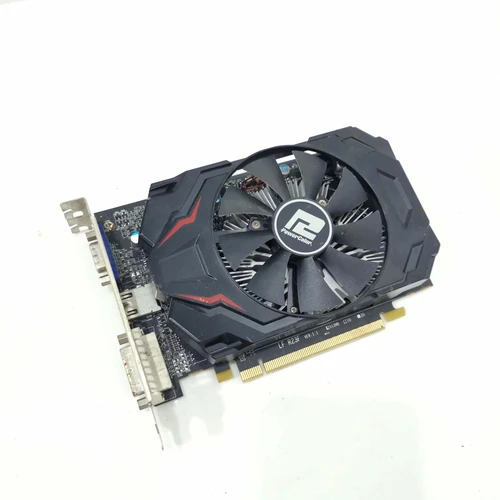 Expansion Card Recycling
 Google Phone Repair
 Google Smartwatch Repair
 Google Tablet Repair
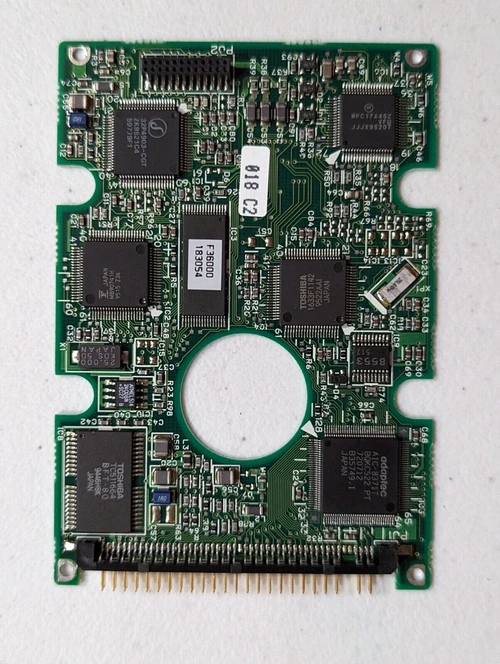 Hard Drive Circuit Board Recycling
 Honor Laptop Repair
 HP Laptop Repair
 Huawei Laptop Repair
 Huawei Phone Repair
 Huawei TV Repair
 iPad Recycling
 iPad Repair
 iPhone Repair
 JVC TV Repair
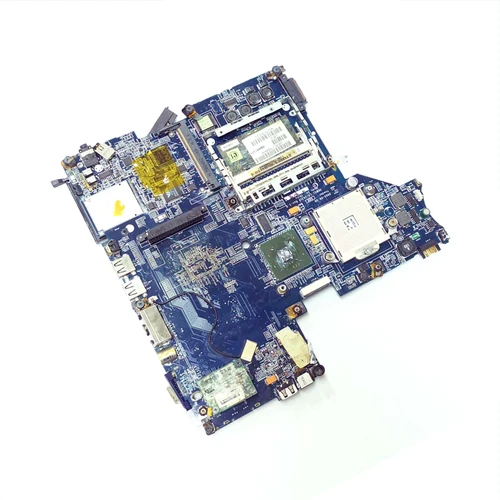 Laptop Circuit Board Recycling
 Laptop Recycling
 Lenovo Laptop Repair
 LG Laptop Repair
 LG TV Repair
 Loewe TV Repair
 Macbook Repairs
 Microsoft Console Repair
 Microsoft Laptop Repair
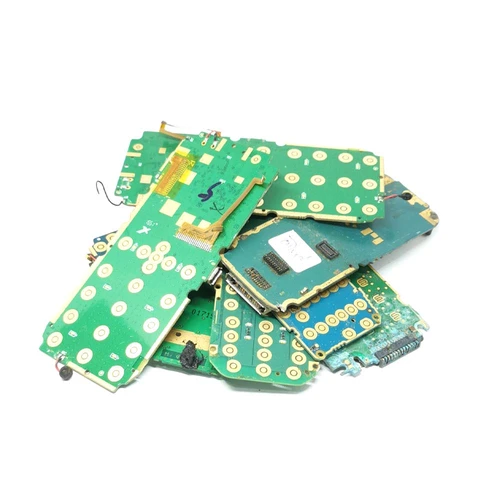 Mobile Phone Circuit Board Recycling
 Nintendo Console Repair
 OnePlus Phone Repair
 OnePlus Smartwatch Repair
 Oppo Phone Repair
 Oppo Smartwatch Repair
 Other Console Repair
 Other Laptop Repairs
 Other Phone Repair
 Other Smartwatch Repair
 Other Tablet Repairs
 Other TV Repair
 Panasonic TV Repair
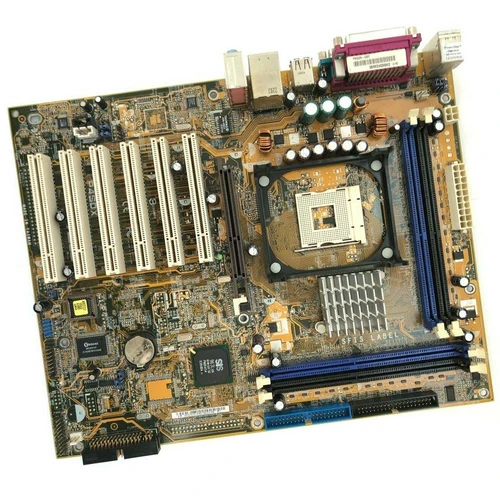 PC Circuit Board Recycling
 Philips TV Repair
 Phone Recycling
 Realme Phone Repair
 Realme Smartwatch Repair
 Realme Tablet Repair
 Samsung Laptop Repair
 Samsung Phone Repair
 Samsung Smartwatch Repair
 Samsung Tablet Repair
 Samsung TV Repair
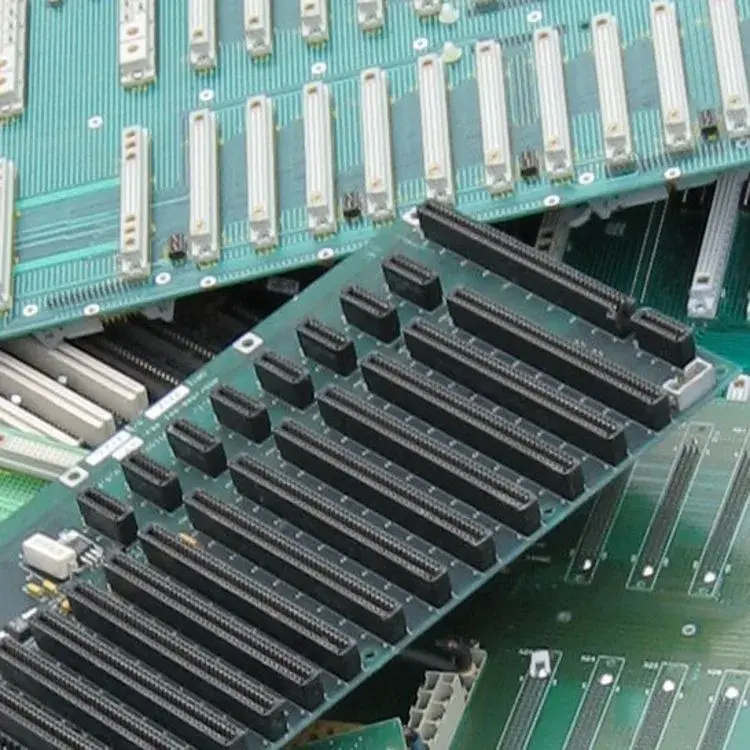 Server rear Walls Recycling
 Sharp TV Repair
 Sony Console Repair
 Sony Laptop Repair
 Sony Smartwatch Repair
 Sony TV Repair
 Tablet Recycling
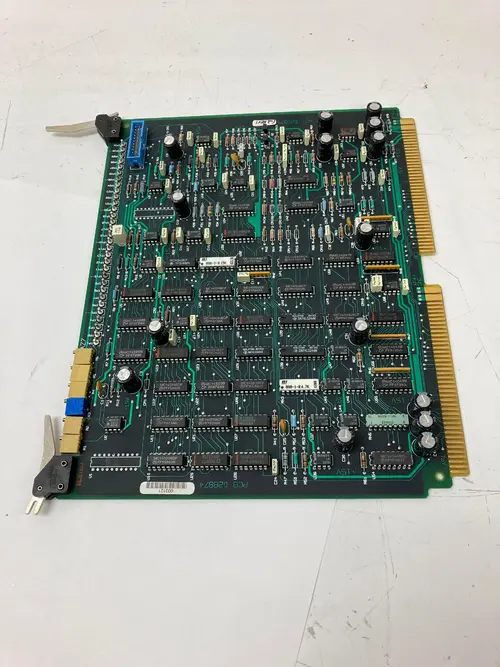 Telecom Circuit Board Recycling
 Toshiba TV Repair
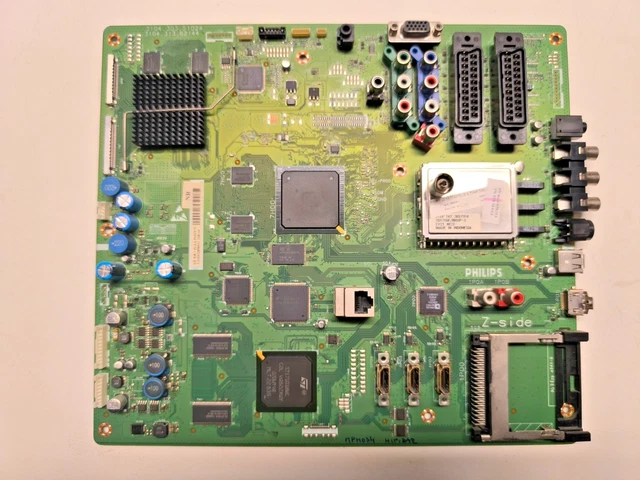 TV Circuit Board Recycling
 Xiaomi Phone Repair
 Xiaomi Smartwatch Repair
 Xiaomi Tablet Repair
Last updated: March 2026
Need a clearer route for desktop motherboard recycling in the UK? This page is written for workshops, refurbishers, offices, IT teams, schools, recyclers, warehouse clearances, and private sellers who want to understand how old PC boards are usually priced, how loads are prepared properly, and how to compare local or nationwide recycling routes without wasting time.
Unlike a broad PCB page, this section focuses on PC internal boards, especially desktop motherboards and related computer circuit board loads. If you are stripping old towers, clearing obsolete office hardware, or sorting mixed IT scrap, this guide helps you present the material more clearly and move users deeper into the site through tightly matched internal links.
The price section is placed near the top so visitors can compare likely value ranges quickly. These figures are only guide bands, because real pricing depends on board density, quantity, contamination, age, and how well the material has been separated before review.
| Material Type | Typical UK Price Range | Common Load Size | Typical Notes |
|---|---|---|---|
| Unsorted low-grade PC internals | £0.70 – £1.30 per kg | Small boxes or sacks | Often mixed with low-value parts, dust, steel, wiring and plastics |
| Standard desktop motherboards | £1.40 – £3.10 per kg | Trade boxes to pallets | Typical for office clear-outs, repair stock, stripped towers and IT disposals |
| Clean desktop board batches | £2.30 – £4.40 per kg | Sorted repeat loads | Usually stronger where large metal parts, batteries and bulky plastics have been removed |
| Older heavy component boards | £2.80 – £5.20+ per kg | Specialist sorted lots | Board age, density and attached connectors can make a noticeable difference |
| Mixed computer boards with cards | Quote required | Boxes, cages or pallets | Separating motherboard grades from add-in cards usually improves quote clarity |
| Unsure how to classify your load | Photo assessment | Any quantity | A simple visual sort often makes the next step much easier |
Tip: Desktop board loads often present better when motherboards are separated from low-grade internal scrap, loose wiring, brackets and power components.
When people search for PC board recycling near me, they usually want to know whether a smaller load can be taken locally or whether a larger quantity needs collection. This page is written to help with both. Smaller trade batches may suit drop-off, while offices, schools, warehouses and repeat sellers often need a collection route instead.
If you are dealing with donor desktops, obsolete computer stock, stripped towers, or old motherboard trays from an IT refresh, good sorting can make the enquiry stronger before you book anything.
Start by saying whether the load is mainly desktop motherboards, mixed PC internals, expansion cards, hard drive boards, or a broader IT scrap mix.
A rough weight, box count, sack count, or pallet estimate is usually enough to begin. This helps decide whether a local route or collection is more realistic.
Photos help show whether the material is clean and sorted, heavily mixed, or likely to belong in a more specific category page.
Where practical, strip away loose metal, plastic housings, batteries, large coolers and other bulky contamination that makes the load harder to grade.
Once the load and location are clear, the enquiry can move toward drop-off guidance, scheduled collection, or a more suitable related page if the material needs specialist handling.
Visitors reaching this page are not always ready to recycle immediately. Many are deciding whether a device is still worth repairing, stripping for parts, or disposing of as scrap. These related service pages help keep the journey relevant.
Desktop motherboards are only one part of the wider PCB recycling market. If your load includes specialist boards or mixed categories, these pages help users go deeper into the site with better-matched anchor text and a more accurate route.
Graphics cards, interface cards and other plug-in boards often deserve their own sorting lane rather than being buried in a motherboard load. Visit the expansion card recycling page for PC add-on board guidance.
Laptop boards are usually denser, smaller and physically different from standard tower boards, so they are better separated early. Read more about laptop circuit board recycling for portable device loads.
Communications equipment can sit in a much stronger category than mixed desktop scrap if it is identified properly. See telecom circuit board recycling routes for communications hardware.
Phone repair stock and dismantled handset PCBs normally follow a different value path from desktop boards. Browse the mobile phone board recycling guide for compact device PCBs.
Mixed loads often include boards from TVs and screens, which should not always be blended into a motherboard enquiry. Check TV circuit board recycling information for AV-related loads.
Hard drive controller boards frequently appear in IT strip-outs and can be listed separately for cleaner grading. Explore hard drive circuit board recycling for storage-device scrap.
Some boards fall outside normal desktop scrap and need a more specialist route. Go to Class 3 circuit board recycling for advanced board categories.
If the load is coming from a wider server dismantle, related metal parts may need a separate channel. See server rear walls recycling for stripped server support parts.
These town and city pages help connect computer repair, device recycling and nearby electronics services across the UK. They are useful for users looking for a local starting point before arranging motherboard recycling or comparing wider tech support in their area.
Not all motherboards are equal. Legacy boards, stripped modern boards, low-grade internal PCBs and heavier component layouts can all sit in different value brackets.
A consistent box of one clear motherboard type is easier to assess than mixed internal scrap containing fans, brackets, memory, drives and loose wires.
Even a basic sort can improve the presentation of the material. Loads that are dry, boxed properly and separated into sensible categories tend to create a smoother enquiry.
Some enquiries are local and small enough for quick drop-off guidance, while others involve bulk business loads that need scheduled transport or a wider regional route.
Repair Price content is built around practical repair and recycling journeys for UK users comparing technical services. The platform works with repair specialists, device technicians and recycling contacts who deal with computers, laptops, boards, storage hardware and related electronic equipment on a regular basis.
Across the wider network, many service partners bring years of hands-on experience in diagnostics, component handling, repair workflows, parts replacement and electronics recycling. Warranty terms depend on the individual repair service or provider involved, but repair-related work is generally explained with parts-and-labour cover before booking.
For privacy, data-bearing components should always be identified early. Customers are encouraged to separate storage devices where possible and mention any sensitive hardware before recycling or repair so the correct handling route can be followed.
The most common material includes desktop motherboards, smaller internal computer PCBs and related tower boards removed from old office or home systems.
Yes. Smaller quantities can still be assessed, although the best route may differ from a large trade load or pallet quantity.
You do not need to over-process them, but removing obvious waste, batteries, large coolers and non-board material can help the load present more clearly.
Usually not. Separating graphics cards and similar boards can make the classification clearer and may lead to a more accurate quote path.
Yes. It is better to mention everything upfront so the material can be directed toward the most suitable recycling route from the start.
Start with clear photos, a rough quantity, and your location. That is usually enough to identify the likely next step.
The trademarks, marques and logos of the manufacturers of products, software, hardware, etc. are the property of their respective owners.