Last updated: March 2026
Looking for a dependable TV circuit board recycling service in the UK? This page is built to help households, repair shops, clearance companies, installers, landlords, schools, and trade sellers compare typical value bands for scrap television boards, understand what affects price, and find the best way to arrange a local or nationwide collection.
Whether you have a small box of boards from broken televisions or regular bulk loads from dismantled screens, Repair Price helps you understand the likely grade of your material and where it may fit in the UK recycling market. If your load also includes other electronics, you can compare related categories such as PC circuit board recycling, laptop circuit board recycling, mobile phone circuit board recycling, and telecom circuit board recycling.
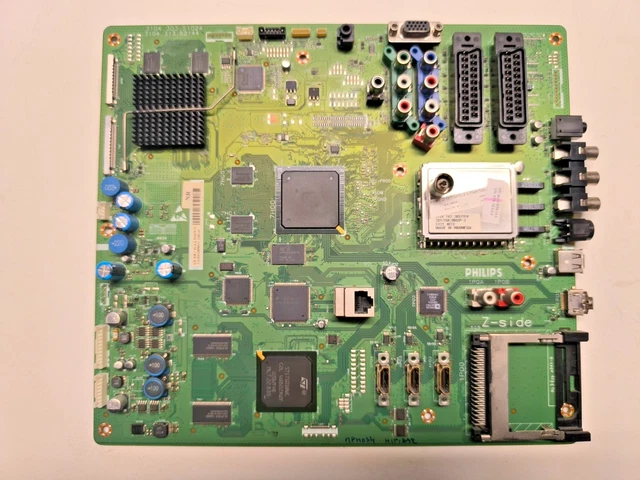
Pricing for scrap television boards depends on board type, quantity, attached metal, cleanliness, and whether the load is sorted before inspection. The table below gives an indicative guide for the UK market. Final offers can rise or fall depending on the exact mix within the batch.
| TV Board Type | Typical UK Price Range | Typical Quantity | Notes |
|---|---|---|---|
| Mixed low grade TV boards | £0.40 – £0.90 per kg | Small boxes to trade sacks | Often includes mixed power boards, tuner boards, and unsorted TV scrap with lower recovery value |
| Standard LCD and LED TV main boards | £1.00 – £2.80 per kg | Trade quantities or repeat loads | Common in workshop clearances and broken TV dismantling jobs |
| Cleaner sorted television logic boards | £2.50 – £4.50 per kg | Sorted boxes or pallet lots | Usually stronger when free from steel brackets, cables, and bulky plastic |
| Backlight driver and power supply boards | £0.60 – £1.80 per kg | Mixed workshop and clearance batches | Usually priced lower than denser main boards and specialist electronics |
| Large mixed TV dismantling loads | Quote required | Bulk bags, cages, or pallets | Best assessed individually due to quantity, board mix, and collection location |
| Not sure what TV boards you have | Send photos for guidance | Any size | A quick visual check can help separate better-value boards from lower grade TV scrap |
Tip: If you sort TV main boards away from low-grade power boards, speakers, wiring, metal frames, and plastics, your load is usually easier to assess and may attract a stronger quote.
If you are searching online for TV circuit board recycling near me, this page is designed to support local intent across the UK. Whether you are based in a major city, smaller town, industrial estate, workshop unit, school, office, repair shop, or warehouse, you can use the surrounding area pages below to start with your nearest location and compare local service routes.
These location pages also help strengthen local relevance when you need electronics recycling, computer repair support, or broader tech disposal options near your postcode. For users with mixed loads, this can be a practical first step before requesting a tailored TV board quote.
Not every television board produces the same return. Even if two loads come from similar LCD or LED screens, the mix of boards, chip density, attached material, and sorting quality can change the offer. Understanding these factors can help you present your material more clearly and improve quote accuracy.
TV main boards, tuner boards, signal boards, and logic boards are usually assessed differently from lower-value power supply boards and heavily mixed scrap. If your load contains mostly standard power boards with fewer denser boards, the average price may sit in a lower range.
Television boards often arrive with screws, frames, shielding, speakers, cable looms, and plastic housings still fixed. These non-board materials can affect the effective grade. Basic stripping and sorting can make the load easier to inspect and route.
A small box from a TV repair business is assessed differently from regular pallet loads from dismantling work, insurance returns, hotel clearances, or recycling depots. Larger and more consistent batches are often easier to quote on a competitive basis.
A recycler can often work faster when television boards are kept separate from unrelated categories such as expansion cards, hard drive circuit boards, or mixed Class 3 circuit boards. Separation reduces guesswork and helps match the load to the right outlet.
Local routing matters. A small drop-off in one city may be easier than arranging collection from a remote location, while larger loads can justify a wider UK collection route. Telling the buyer your town or postcode early can help speed up pricing.
Many users reach this page after deciding whether a television is worth repairing or stripping for parts. If the set is beyond economical repair, recycling the circuit boards can be the practical next step. If you are still comparing options, these related service pages can help you assess repair routes first.
For businesses clearing several categories at once, combining repair assessment pages with recycling pages often creates a stronger and more complete enquiry.
TV circuit boards are only one part of the wider electronic scrap market. If your batch includes other board types, use the pages below to narrow the category and improve the quality of your enquiry.
Graphics cards, adapter cards, and industrial expansion boards are often graded differently from television PCBs. View expansion card recycling details.
Desktop motherboards and computer boards remain one of the most searched categories for UK electronics sellers. See the PC circuit board recycling page.
Laptop boards are compact and often denser than mixed low-grade scrap. Read the laptop circuit board recycling guide.
Communications hardware, exchange boards, and networking scrap can perform very differently from TV boards. Explore telecom circuit board recycling.
Handset main boards and compact high-grade phone boards are usually handled as a separate category. See mobile phone circuit board recycling options.
Storage-related PCBs are commonly separated from television boards during workshop clearances. Visit hard drive circuit board recycling.
If your material is specialist, industrial, or higher specification, it may need an individual review. Read more about Class 3 circuit board recycling.
For data-centre clearances and dismantled server hardware, use the more relevant page here: server rear walls recycling.
The booking process works best when your message is simple and complete. A clear first enquiry helps speed up routing, reduces back-and-forth, and improves quote accuracy.
Start with your location so collection coverage or drop-off suitability can be checked quickly.
Mention whether the load is mainly LCD, LED, plasma-era boards, mixed TV scrap, main boards, or power boards.
Tell us whether you have a small box, several cartons, trade sacks, cages, or pallets. Even a rough estimate helps.
Photos showing the board mix, container size, and overall cleanliness help speed up grading.
Small loads may suit drop-off. Larger or repeat loads may be better for collection.
Once the material is understood, you can move forward with the most practical local route for your load.
This page is useful for TV repair workshops, appliance recyclers, landlords clearing properties, hotel maintenance teams, schools replacing AV equipment, office fit-out contractors, warehouse clearances, house clearances, and members of the public stripping broken televisions for parts. It also suits trade sellers who regularly collect mixed television boards alongside broader electronic scrap.
If your load includes computer motherboards, server components, or mixed device PCBs, linking those categories in one enquiry can create a more accurate recycling route from the start.
Repair Price enquiries are handled by experienced electronics repair and recycling specialists who work with UK repair requests, device part assessments, and circuit board recycling leads across a wide range of categories, including TV, PC, laptop, telecom, and mobile boards.
Experience: Please insert your verified trading history here, for example 10 years of repair and electronics recycling experience, so the page reflects your genuine business background.
Warranty policy: For repair services, please insert your exact warranty terms here, for example repairs backed by a 12 month warranty, subject to device type and parts used. For recycling-only enquiries, material acceptance and valuation depend on inspection, load quality, and category.
Data privacy: Customer information, photos, and contact details sent for quoting should only be used for quote handling, booking, and service communication. No personal data from enquiry messages should be sold or shared outside the service process except where required for lawful collection or processing.
Yes. Many broken televisions contain boards that can be grouped into recyclable electronic scrap categories. The exact value depends on whether the load is mainly main boards, power boards, or a mixed batch with attached metal and plastics.
Usually, yes. Loads that are sorted into clearer categories are easier to inspect and price. Mixed television scrap with brackets, wiring, and plastics still attached may be less attractive than a cleaner, better-organised batch.
Collection options depend on quantity, route planning, and your location. Smaller loads may suit drop-off or local routing, while larger workshop or clearance loads are more likely to justify collection support.
The most common are main signal boards, power supply boards, tuner boards, and mixed internal boards removed from LCD and LED televisions. Loads from repair workshops often contain repeated models, while house or business clearances are usually more mixed.
Yes. It helps to say whether your load also includes items such as PC boards, laptop boards, mobile phone boards, or hard drive boards.
Use sturdy boxes, sacks, or palletised containers depending on volume. Try to keep categories together and avoid mixing the boards with loose waste, broken glass, or unrelated household rubbish.
Sometimes, yes. It can be worth checking TV repair pricing before scrapping the set, especially if the issue is limited to a known board fault and the panel itself is still sound.
The trademarks, marques and logos of the manufacturers of products, software, hardware, etc. are the property of their respective owners.