Last updated: July 2026
Looking for responsible laptop circuit board recycling in the UK? Repair Price helps households, repair shops, IT teams, schools, offices and electronics businesses find a better route for unwanted laptop motherboards, damaged PCBs, stripped boards and non-working laptop internals.
Laptop circuit boards can contain recoverable materials and components, but they should not be placed into general waste. Whether you have a few damaged laptop boards from repairs or a larger batch of redundant IT equipment, recycling helps reduce electronic waste while supporting safer material recovery.
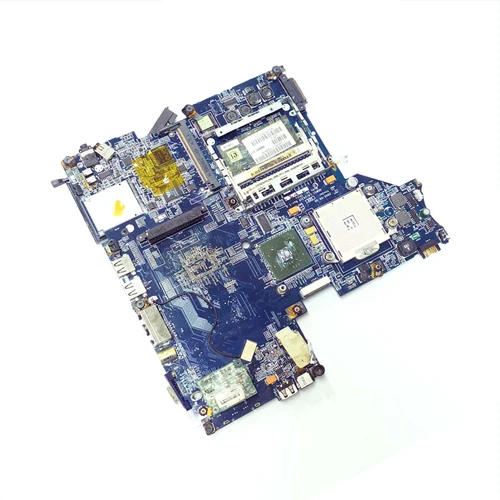
Laptop PCB recycling usually includes the internal printed circuit boards removed from laptops, notebooks, ultrabooks and business computers. These boards may come from faulty devices, water-damaged laptops, stripped repair stock or redundant IT equipment.
If you handle other board types as well, you can also review our wider UK circuit board recycling service for mixed PCB recycling options.
Laptop boards should be recycled because they can include metals, solder, connectors, chips and other electronic materials that require specialist handling. Recycling helps keep these materials away from landfill and supports a more responsible approach to end-of-life electronics.
For repair businesses, laptop PCB recycling is also useful when clearing out failed motherboards, stripped machines or old diagnostic stock. Instead of storing unusable boards, you can arrange a practical recycling route for items that are no longer suitable for repair.
Repair Price is useful for businesses that regularly collect damaged laptop boards during repair work. If a laptop is beyond economical repair, the internal board may still have recycling value depending on its condition, grade and quantity.
You may also want to compare recycling against repair before making a decision. Our laptop repair vs recycling guide explains when it may be better to repair a laptop and when recycling becomes the more practical option.
The recycling process normally starts with sorting and grading the boards. Laptop motherboards may be separated from batteries, casings, screens, cables and other non-board materials before being processed through suitable electronics recycling channels.
For a deeper breakdown of the recycling journey, read our guide on how laptop circuit boards are recycled.
Yes. Laptop circuit boards can often still be recycled even if they are faulty, cracked, water-damaged or removed from laptops that no longer power on. The condition of the board may affect grading, but many damaged boards are still suitable for recycling.
If the laptop itself might still be repairable, compare options through our laptop repair service comparison page before choosing recycling. This can help you decide whether repair or recycling offers better value.
Laptop boards are only one category of PCB recycling. Many customers also have mixed electronic boards from phones, desktop PCs, drives, servers and higher-grade board stock. The links below help you compare the most relevant PCB recycling options.
If you have more than just loose circuit boards, you may need full device recycling instead. Laptop recycling is suitable for complete laptops, damaged units, old chargers, stripped devices and mixed IT waste from homes or workplaces.
Not every faulty device needs to be recycled immediately. If the laptop, phone or tablet still has useful life left, a repair may be the better option. Comparing repair routes first can help avoid recycling a device that could still be restored.
If you want to understand what affects laptop board recycling, our laptop motherboard recycling guide explains common board types, preparation steps and why laptop PCBs should be handled separately from general waste.
This is especially useful for repair shops and IT departments that collect damaged motherboards over time and need a cleaner way to manage electronic waste.
Yes. Laptop motherboards and internal PCBs can usually be recycled through suitable electronics recycling services. They should be separated from batteries, screens and plastic casing where possible.
Many laptop boards contain recoverable materials, but value depends on the board type, grade, quantity and condition. Clean, separated boards are usually easier to assess than mixed electronic waste.
If the repair cost is reasonable and the laptop still performs well, repair may be worthwhile. If the motherboard has failed, parts are unavailable or the device is too old, recycling may be the better option.
Yes. Repair shops, offices, schools and IT teams can arrange recycling support for larger batches of laptop circuit boards, stripped machines or mixed computer electronics.
Where possible, batteries should be separated from circuit boards and handled through the correct battery recycling route. This helps improve safety and makes PCB recycling easier to manage.
These comments reflect how customers use Repair Price to find clearer recycling routes for laptop boards, redundant IT parts and non-repairable electronics.
Mark, Manchester
“We had a box of failed laptop motherboards from repair jobs and needed a proper recycling route. Repair Price made it easier to understand the options and arrange the next step.”
Sadia, Bradford
“I was clearing old business laptops and did not want the boards going into general waste. The process was simple and the guidance was clear.”
Oliver, Leeds
“Useful service for comparing recycling and repair routes. Some laptops were worth fixing, while the damaged boards were separated for recycling.”
The trademarks, marques and logos of the manufacturers of products, software, hardware, etc. are the property of their respective owners.