Last updated: October 2026
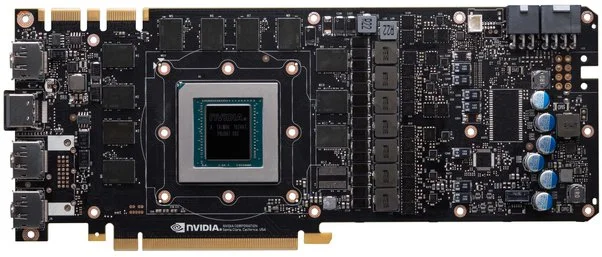
Graphics card recycling provides a responsible route for unwanted, faulty, obsolete and scrap GPUs from gaming computers, workstations, servers, repair businesses and IT equipment clearances. NVIDIA, AMD and older PCIe graphics cards contain printed circuit boards, processors, memory chips, copper, aluminium and gold-plated contacts that may retain recycling value after the card is no longer suitable for normal use.
The amount offered for a graphics card depends on the model, condition, quantity, board grade, attached cooler, reusable component value and current recycling demand. Working GPUs should be assessed separately from faulty or stripped cards because resale or parts value may exceed their basic material value.
The figures below provide indicative recycling ranges rather than guaranteed buying prices. A current valuation should consider the card model, whether the GPU is complete, the condition of the PCB, attached cooling hardware and the quantity available.
| Graphics Card Type | Typical Condition | Indicative Recycling Value | Main Value Factors |
|---|---|---|---|
| High-end gaming GPU | Complete or faulty RTX / RX card | Around £4 - £6 per kg | GPU generation, VRAM, PCB density and condition |
| Mid-range desktop graphics card | Complete, untested or damaged | Around £2 - £5 per kg | Board type, memory chips and gold contacts |
| Low-end or OEM graphics card | Mixed or damaged | Around £1 - £3 per kg | Component density and attached metal |
| Graphics card PCB only | Cooler and bracket removed | Around £2 - £3 per kg | PCB grade, chips, memory and contamination |
| Workstation or server GPU | Working, faulty or untested | Assessment required | Model, memory capacity, reuse demand and board grade |
| Bulk mixed GPU batch | Mixed generations and conditions | Quote required | Total weight, sorting level and model mix |
These figures should be treated as a starting point. For a broader view of electronic component values, compare the latest UK e-waste price guides for computer components.
A working graphics card may have more value as reusable hardware than as scrap. Before placing a recent NVIDIA GeForce, AMD Radeon, workstation or specialist GPU into a recycling batch, record the exact model and check whether the card powers on, produces a display and operates without serious faults.
Higher-specification GPUs may retain demand among gamers, workstation users, computer builders and refurbishment businesses. A recycler or buyer may therefore assess complete cards individually instead of paying only a weight-based PCB rate.
For a dedicated comparison of complete and scrap GPUs, review the UK graphics card scrap price and valuation page.
Failed graphics cards still contain useful materials and components. Common faults include no display output, overheating, damaged power circuitry, failed memory, corrosion, broken connectors and cards that crash under load.
Keep faulty graphics cards separate from general electrical waste where practical. Record the model number and known fault rather than assuming every failed card has the same scrap value. A higher-grade graphics card PCB with dense memory and processing components may receive a different assessment from a basic display adapter.
Businesses handling mixed computer add-in cards should also review the expansion card recycling service for GPUs and PCIe boards.
Graphics cards often include aluminium heatsinks, copper heat pipes, fans, plastic shrouds and steel mounting brackets. These materials differ from the populated PCB underneath, so complete cards and stripped boards may be graded differently.
Do not dismantle cards automatically before requesting a price. Ask how the recycler grades complete GPUs first. Some buyers prefer intact cards because model identification and reuse assessment become easier. Other recycling routes may request separated boards, heatsinks and mixed metals for larger commercial batches.
If you hold several types of computer add-in boards, the UK expansion card recycling and sorting guide explains how graphics, network, controller and other slot cards may be grouped.
Two graphics cards of similar physical size may receive different valuations. Model generation, memory type and PCB construction all influence the likely reuse or recovery route.
A graphics card is also a populated printed circuit board. When reuse or component recovery is no longer practical, the board may enter a specialist PCB recycling stream alongside computer motherboards, network cards, RAID controllers and other electronic assemblies.
If your load contains more than GPUs, compare the computer circuit board recycling price guide before mixing different board grades together.
For wider PCB recycling routes, visit the circuit board recycling service hub.
Most standard graphics cards do not operate like hard drives or SSDs and are not normally treated as primary user-data storage devices. This does not mean every graphics-related device should enter recycling without checking the wider computer or workstation first.
Before disposing of a complete desktop, workstation, server or mining system, identify any hard drives, SSDs, removable storage, embedded controllers or other data-bearing hardware. Keep storage devices under controlled handling until the required erasure or destruction process has been agreed.
For commercial computer clearances, the Manchester IT recycling service provides further information about handling computers, storage devices and business technology.
Gaming computers and professional workstations often contain higher-specification graphics cards than standard office PCs. Before dismantling these systems, assess the complete machine and individual components for reuse.
A system that has reached the end of its working life may still contain reusable RAM, processors, storage drives, power supplies and GPUs. Separating these categories gives the recycling provider clearer information and reduces the risk of higher-value components being treated as unidentified mixed electronic waste.
Read the UK computer recycling guide for components and complete systems when clearing desktop computers alongside graphics cards.
Repair shops, IT departments, gaming businesses, universities, recyclers and refurbishment companies may accumulate larger quantities of unwanted graphics cards. A useful valuation request should include the number of cards, approximate weight, major models, condition and whether heatsinks remain attached.
| Information to Provide | Why It Matters |
|---|---|
| Number of graphics cards | Helps estimate collection size and processing volume |
| Approximate total weight | Supports an initial bulk assessment |
| GPU models | Separates reusable models from lower-grade scrap |
| Working or faulty status | Prevents tested cards being mixed with scrap-only units |
| Cooling hardware | Shows whether cards are complete or stripped |
| Collection postcode | Helps assess transport and collection arrangements |
Graphics cards may form part of household computer recycling, repair-shop scrap, business IT clearances or batches of circuit boards. Customers around Greater Manchester should describe the graphics cards separately from complete computers, general electrical equipment and lower-grade mixed material.
Desktop computers, gaming PCs and professional workstations often contain graphics cards alongside processors, RAM, storage devices and motherboards. Keeping these parts identifiable during a larger clearance helps recycling providers determine whether each component is better suited to reuse, parts recovery or material recycling.
For mixed computer equipment, visit the Manchester computer recycling and collection service.
Graphics cards sit within the broader expansion-board category used by PCB recyclers. Their value varies with card generation, component density, attached cooling hardware and whether the card is complete, damaged or stripped.
Manchester customers holding computer boards alongside GPUs may compare Manchester PCB recycling options for graphics cards and circuit boards and review Manchester PCB recycling prices and board grading factors.
Test recent graphics cards before treating them as scrap where safe and practical. A functional card, or one with a repairable cooling fault, may have greater reuse value than its underlying material value.
Recycling becomes more appropriate for cards with serious board damage, corrosion, obsolete specifications, missing components or faults that make repair uneconomical. Business batches may contain a mixture of reusable, repairable and scrap-only GPUs, so separating them before valuation gives a clearer picture of the stock.
Graphics card recycling value depends on the model, condition, PCB grade, memory, attached metals and quantity. Indicative weight-based values often vary from around £1 to £6 per kg across common categories, although reusable GPUs should receive an individual assessment rather than relying on a basic scrap rate.
Working cards often have a different route from scrap-only GPUs. Recent models may retain resale, refurbishment or parts value, so identify and test suitable cards before mixing them with damaged boards.
Yes. Failed graphics cards still contain PCBs, memory chips, processors, connectors and recoverable metals. The condition and board type influence how they are graded.
Ask for grading instructions before dismantling the card. Some recycling routes accept complete GPUs, while others assess clean PCB batches separately from heatsinks, fans, brackets and plastic shrouds.
Standard graphics cards are not normally used as primary long-term storage for personal files. Complete computers and workstations may contain hard drives, SSDs and other data-bearing hardware, so those devices require separate data-security checks before recycling.
Graphics-card recycling loads may include NVIDIA GeForce, NVIDIA workstation cards, AMD Radeon, AMD workstation GPUs and older PCIe or legacy expansion cards. Provide model details where possible so reusable and scrap categories remain separate.
Provide the number of cards, model numbers, condition, approximate weight, photographs and collection postcode. For large batches, explain whether the cards come from upgrades, repairs, mining systems, workstations or business IT equipment.
If graphics cards form part of a wider office, computer or technology clearance, read the Manchester IT recycling guide for computers, components and business equipment.
GPU recycling covers working, faulty, obsolete and stripped graphics cards. Keep complete cards separate from bare PCBs where possible, record NVIDIA or AMD model details, and identify whether the batch comes from gaming PCs, workstations, servers or business IT equipment.
For mixed electronic loads, compare the UK e-waste price guide. If the cards are being treated as populated PCBs rather than reusable hardware, see the scrap circuit board price guide before mixing grades.